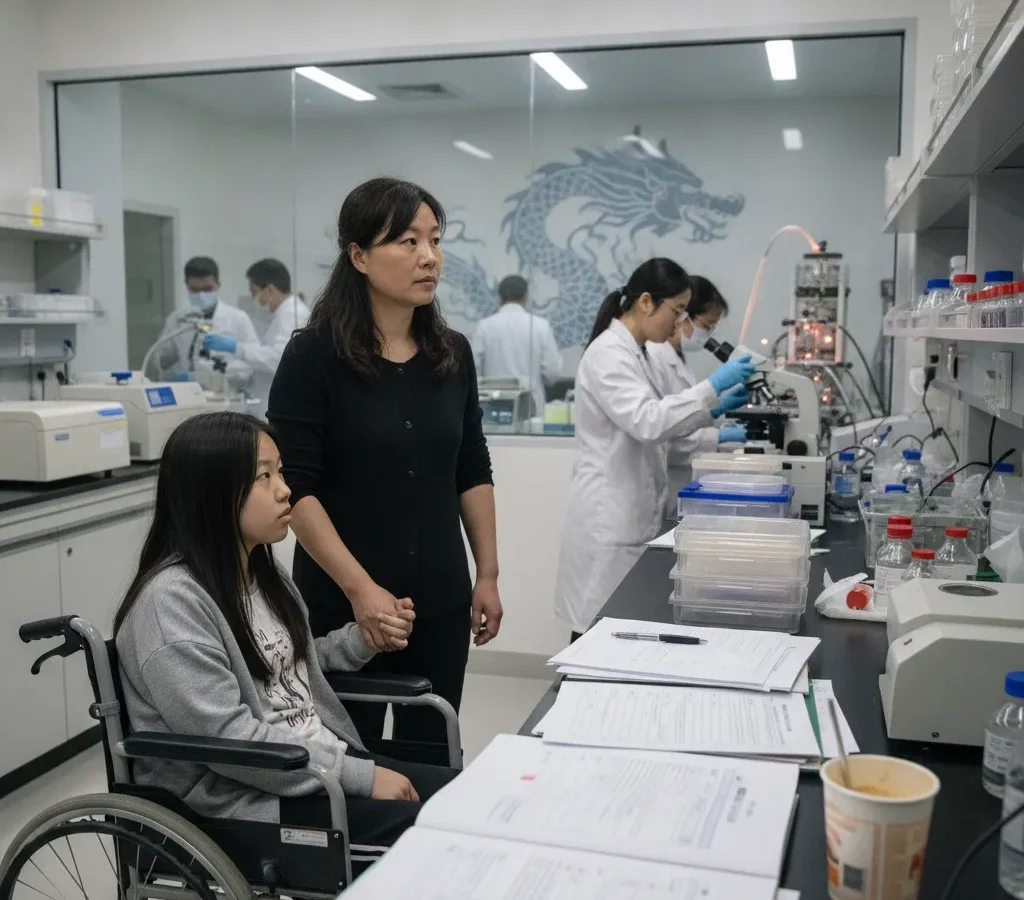
For Juan Huang, the struggle to save her daughter began over a decade ago when sixteen month old Huangxi suddenly lost the ability to walk. After years of searching for answers and a trip to Boston for a diagnosis that provided no cure, Huang transitioned from an engineer to an advocate. Through her Hope for Rare Foundation, she tapped into a burgeoning landscape of medical experimentation in China, where genetic treatments were being tested at a fraction of the cost found in Western clinics.
This acceleration was made possible by a regulatory loophole known as investigator initiated trials. These pathways allowed researchers to bypass central government sign off, creating a fast lane for drug testing that attracted global attention. For several years, China functioned as a high speed hub for biotech innovation, prompting American firms to consider moving their operations east or lobbying the FDA to loosen its own rigid standards to remain competitive.
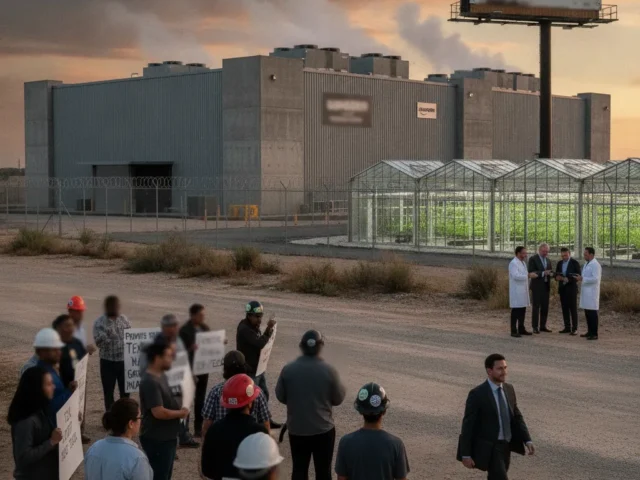
However, the era of rapid expansion has hit a sudden wall. Following a series of patient deaths and critical media reports, the Chinese government has clamped down on these loosely monitored trials. New regulations have replaced the previous flexibility with strict oversight, effectively stalling many promising studies just as they were reaching critical milestones.
Now sitting along the banks of the Huangpu River, Huang finds herself facing a familiar kind of uncertainty. While China evolved into a powerhouse for diagnosing rare diseases, the window for experimental treatment is closing. The very system that offered hope through its lack of bureaucracy has now tightened, leaving families like hers caught between outdated hopes and new restrictions.