There is something inherently satisfying about a piece of technology that can transform its shape to fit our lives. Whether it is shrinking down to slide into a tight pocket or expanding into a workstation, the rise of foldable gadgets marks a shift toward hardware that adapts to the user rather than forcing the user to adapt to the device. From high end smartphones to experimental computing setups, the industry is moving away from rigid slabs and embracing a future where flexibility is the primary goal.
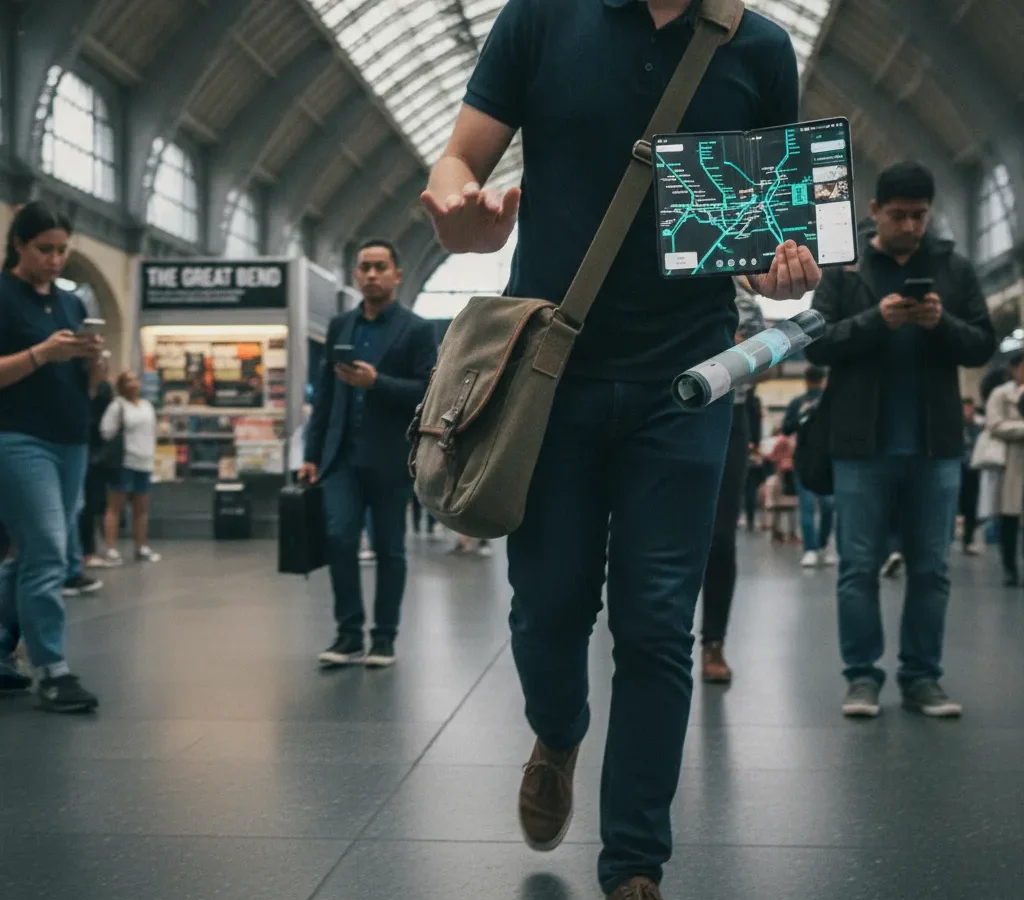
The most visible evolution has happened in our pockets. While foldable phones once felt like fragile prototypes, brands like Samsung have spent nearly a decade refining the experience through multiple generations of the Z Fold series. With newcomers like Google and Motorola joining the race, and Apple entering the arena with the iPhone Duo, these devices successfully bridge the gap between a phone and a tablet. However, luxury pricing remains a significant hurdle; when entry level models start near two thousand dollars, many consumers are still hesitant to make the leap despite the obvious utility.
Beyond phones, laptops are undergoing their own identity crisis. While we have used clamshell designs for forty years, modern innovation is pushing boundaries with dual screens and rollable panels. Companies like Asus and Lenovo are leading this charge, offering everything from gaming rigs with secondary displays to conceptual notebooks that literally expand during use. This trend extends to peripherals as well, seen in products like the Logitech Mobi Fold mouse or various collapsible headphones designed specifically for travelers who need to maximize every inch of their luggage.
Even stationary gear is getting in on the act. We are seeing desktop monitors from LG and Corsair that allow users to physically curve their screens to change their field of view, bringing a sense of futurism to the home office. While some items, such as ultra expensive foldable portable monitors, have struggled to find a mass market audience due to cost, others continue to carve out niches. Ultimately, building a kit centered on adaptability creates a versatile ecosystem where your tools evolve based on whether you are sitting at a desk or boarding a plane.