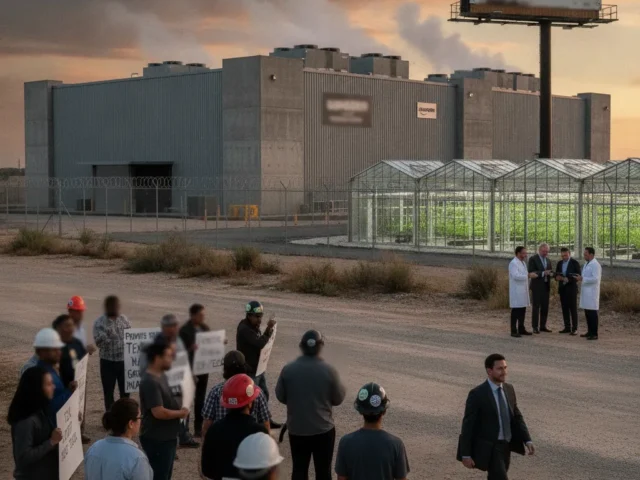
A growing divide is emerging in how American life sciences companies view their relationship with China, according to a recent Signal Survey. As the Treasury Department moves closer to implementing draft rules that could strictly limit U.S. investment in Chinese biopharma, smaller biotech firms are beginning to distance themselves from the region. For these agile players, the risk of regulatory backlash and geopolitical instability now outweighs the potential benefits of cross border collaboration.
While the boutique labs are retreating, however, the industry giants known as Big Pharma are taking a different approach. These massive corporations continue to aggressively scout for promising pipelines across China, viewing the region as an essential source of innovation and untapped therapeutic assets. To these behemoths, the strategic value of acquiring cutting edge research often justifies navigating a complex and increasingly hostile political landscape.
This divergence highlights a fundamental difference in risk tolerance between those who build technology and those who buy it. While small startups fear being caught in the crossfire of trade wars or facing funding freezes due to government scrutiny, larger pharmaceutical companies have the capital and legal infrastructure to manage these frictions. They remain focused on filling their portfolios regardless of where the science originates.
As Washington tightens its grip on outbound investments, the tension within the sector is likely to intensify. The resulting split suggests two separate realities for the industry: one where independent innovators seek safety through decoupling, and another where global conglomerates double down on international acquisitions to maintain their competitive edge in medicine development.