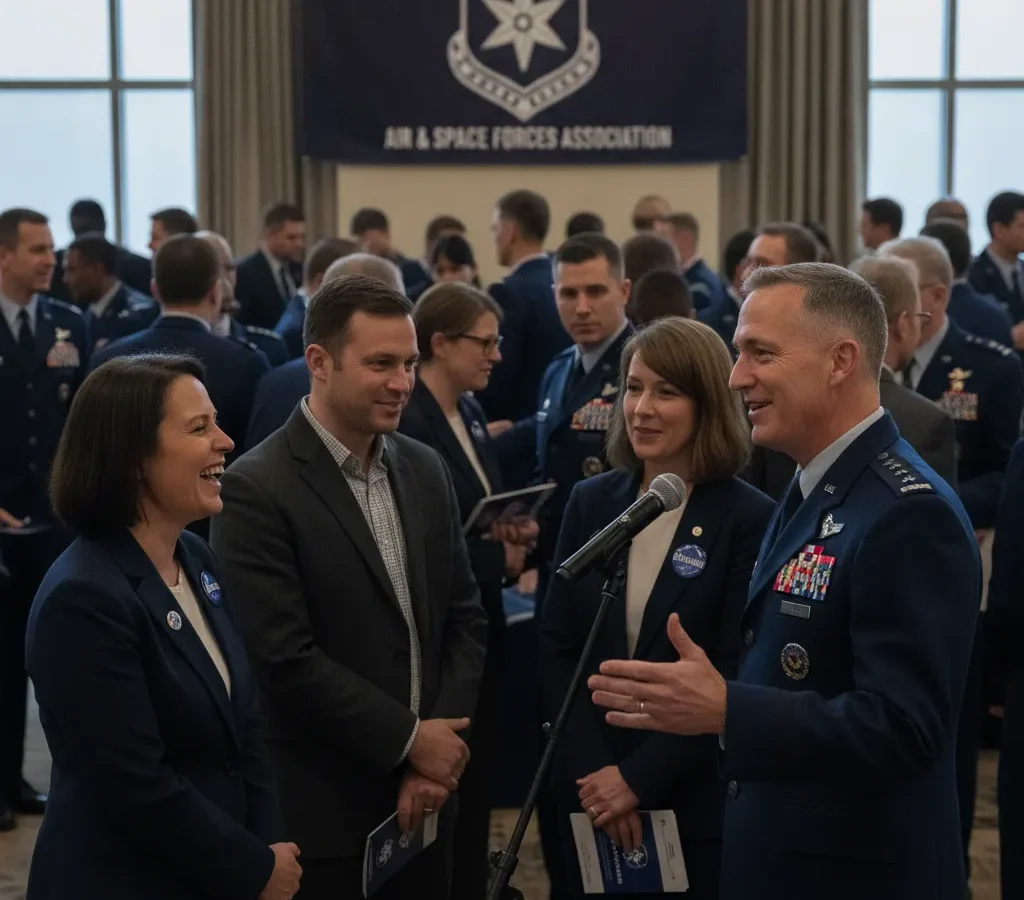
The United States Space Force is making a concerted push to ensure its civilian workforce feels less like outside contractors and more like integral members of the mission. General Doug Schiess, Chief of Space Operations, recently emphasized that whether someone wears a uniform or works as a civil servant, they should all identify primarily as Guardians. Speaking at an event hosted by the Air and Space Forces Association, Schiess noted that civilians often find themselves as the sole representative of the service in various rooms, meaning they must embody the Guardian identity to effectively solve problems and lead others regardless of their previous employment history.
This cultural shift comes with practical changes to training and professional development. Because many Space Force civilians were originally hired under the broader Department of the Air Force umbrella, there has been a lingering overlap in identity between the two branches. To remedy this, the service is introducing specialized courses designed to highlight the differences between sister services and foster a deeper sense of belonging. Leadership is also exploring how professional military education can be adapted for civilians so that their growth tracks mirror those of uniformed troops rising through the ranks.
Beyond training, the Space Force is looking to amplify the influence of its non-uniformed staff within high-level government circles. One proposal involves creating a dedicated role within the Department of the Air Force secretariat staff specifically to champion civilian Guardian needs and improve overall quality of life. This move would provide these employees with a louder voice in strategic discussions regarding workforce requirements and operational goals during a critical period of organizational growth.
Scaling this workforce remains a priority as the Pentagon’s smallest service tackles expanding missions ranging from missile warnings to cyber operations. Civilians currently comprise about one third of the force, a higher proportion than any other military branch. Looking toward 2027, the service is requesting funding for roughly 7,200 civilian positions—a significant increase meant to bolster global combat command support—provided Congress approves a budget request exceeding 71 billion dollars.