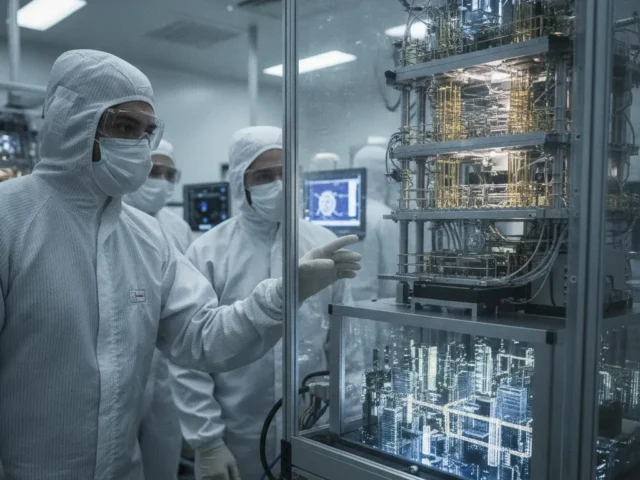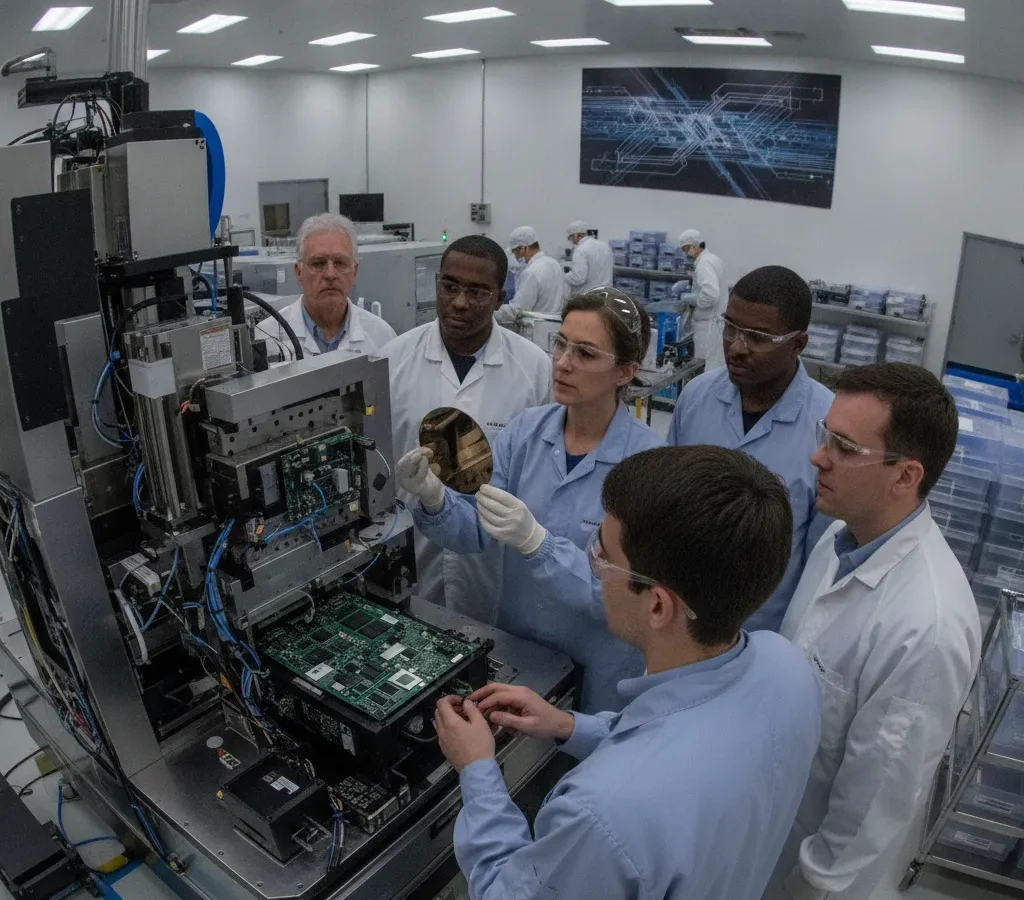
The United States is doubling down on its quest for technological supremacy with a massive infusion of capital aimed at the heart of the computer chip industry. In a move designed to insulate the nation from global supply shocks and leapfrog competitors in artificial intelligence, the Department of Commerce has signed letters of intent to provide 874 million dollars in federal incentives to seven different companies. These grants, issued under the CHIPS and Science Act, target the most fundamental building blocks of modern computing, ranging from how data moves through light-based photonics to how memory is stacked in three dimensions.
Secretary of Commerce Howard Lutnick framed the investment as a vital spark for the American innovation engine, suggesting that these strategic funds will not only protect national security but also generate high-paying domestic jobs. The scope of the project extends far beyond simple hardware manufacturing; by refining things like thermodynamic sampling and low-loss dielectrics, the government hopes to unlock breakthroughs in fields as diverse as drug discovery, robotic automation, and sophisticated defense systems. This effort aims to make future AI workloads significantly faster while drastically reducing the immense amount of energy they currently consume.
Among the biggest winners in this round is GlobalFoundries, which could see up to 300 million dollars to speed up the development of co-packaged optics. Other specialized firms like Kepler and Multibeam Corporation are slated for significant funding to pioneer next-generation memory and advanced chip stacking techniques. To ensure that taxpayers benefit from these advancements, the Department of Commerce will take a minority equity stake in each participating company. While these agreements represent a major commitment, officials noted that final awards remain subject to further due diligence before any money changes hands.