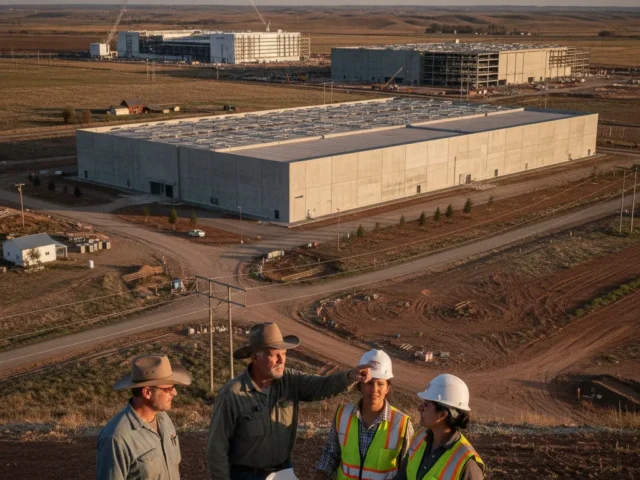
Gonka is venturing beyond software to develop specialized AI chips in an ambitious bid to dismantle what its creators call GPU feudalism. While open source models have democratized the software layer of artificial intelligence, co-creator Daniil Liberman argues that the actual muscle behind these systems remains dangerously centralized. According to Liberman, developers might be able to tweak a model’s code, but they are still beholden to a tiny handful of infrastructure giants for the chips, power, and facilities required to run those models at scale.
Currently, Gonka operates as a coordination layer that allows independent hardware providers to pool their computing capacity into a shared network. This system enables developers to access compute via an API without relying on a single corporate behemoth. By focusing first on inference rather than training, Gonka has prioritized the tools businesses use in their daily commercial applications. However, Liberman warns that as AI becomes a fundamental utility for modern commerce, whoever controls the compute effectively controls access to the economy itself.
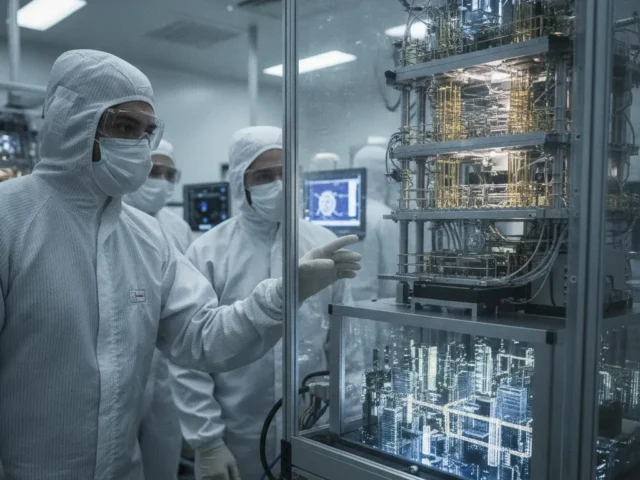
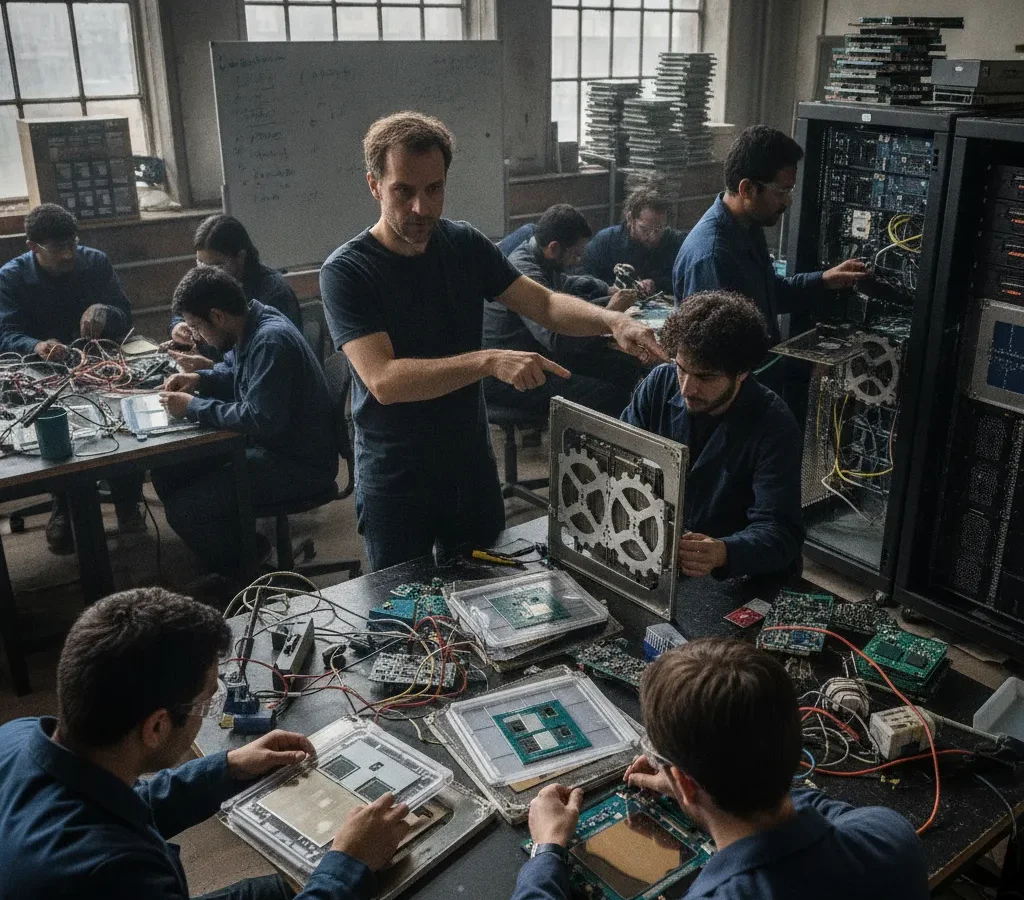
Despite the success of decentralized networks, Liberman notes that software alone cannot solve a physical bottleneck. Even if thousands of small providers collaborate, they often rely on the same narrow pipeline of semiconductor manufacturers and energy sources. To break this cycle, Gonka is exploring application specific integrated circuits tailored specifically for AI workloads. These custom chips aim to improve the economics of inference and provide a genuine alternative to the dominant hardware monopolies currently shaping the industry.
This transition into hardware is not without its challenges. Unlike early cryptocurrency mining rigs, AI accelerators must contend with rapidly evolving model architectures and shifting memory demands. For Gonka’s vision to succeed, any new silicon must excel in data movement and seamless software integration rather than just raw processing speed. While there is no official release date yet, the company intends to validate its designs through rigorous engineering before moving toward full scale manufacturing and deployment across its partner network.