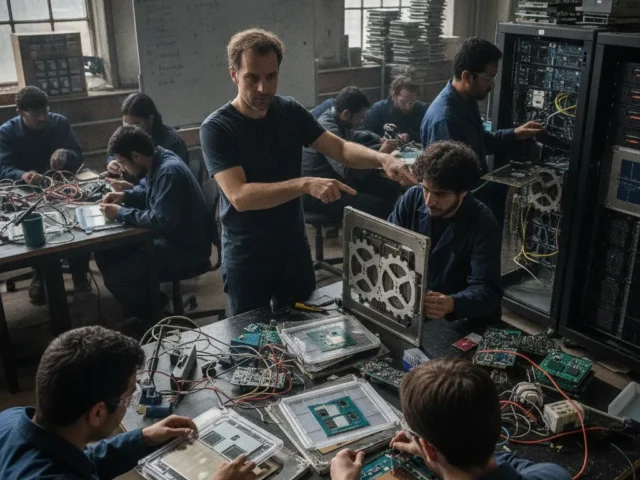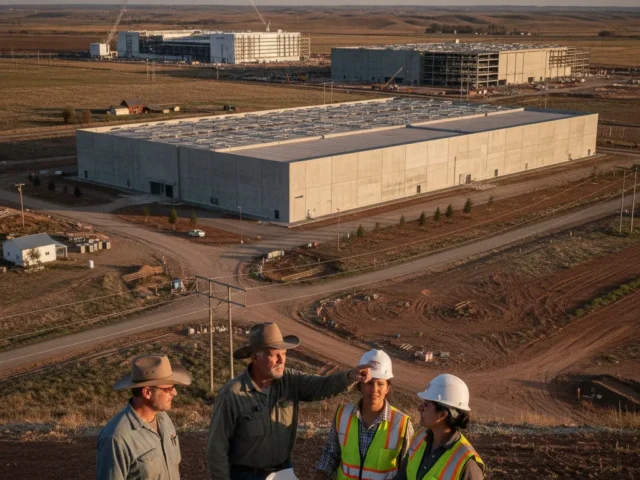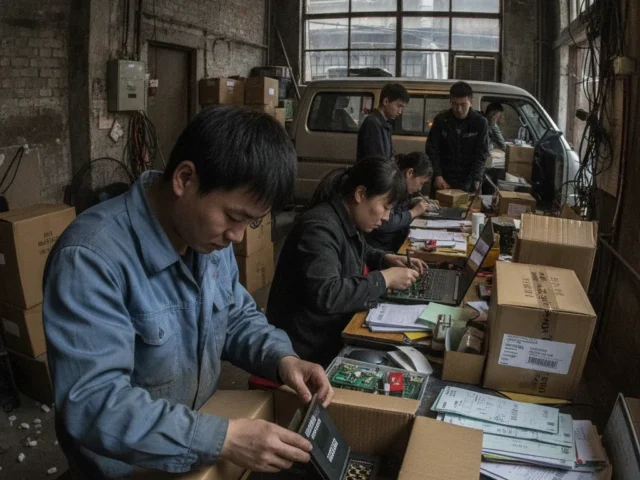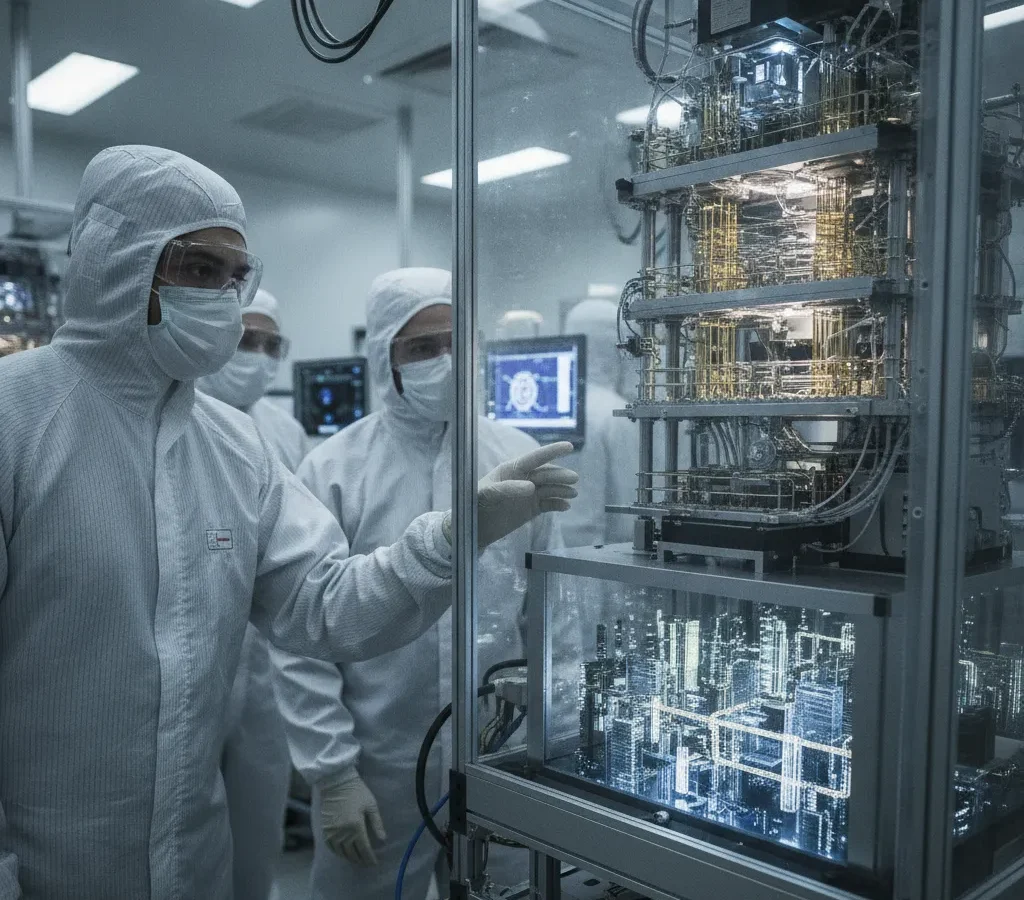
When we think of humanity’s greatest architectural feats, our minds usually drift toward the towering pyramids of Giza or the sweeping expanse of the Great Wall of China. Yet there is a far more complex monument hiding in plain sight within our pockets and laptops. The modern semiconductor is less a piece of hardware and more a microscopic metropolis, an intricate city carved into sand at atomic dimensions. To imagine a chip is to envision a bustling urban center where billions of electrons act as citizens, navigating streets smaller than a hemoglobin molecule to fly planes, manage global markets, and fuel the rise of artificial intelligence.
For decades, Western policymakers treated these components as mere commodities, akin to consumer electronics or even snacks. There was a period during the eighties when some officials famously joked that there was little difference between potato chips and computer chips, assuming that free trade meant it didn’t matter where these widgets were manufactured as long as they remained cheap. This casual indifference allowed production to shift away from American shores, transforming semiconductors from simple tools into the invisible bedrock upon which the entire global economy now rests. Today, companies like Nvidia hold such immense sway that their fortunes can dictate the movement of the S&P 500.
This reliance has created a precarious geopolitical bottleneck centered on Taiwan. While many recognize the island for its culture or cuisine, its true global significance lies in its role as the primary foundry for the world’s most advanced silicon. Because such a staggering percentage of high end chips originate there, any conflict or blockade involving China would trigger an economic collapse dwarfing the Great Depression. We aren’t just talking about expensive smartphones; we are talking about a sudden disappearance of everything from insulin pumps and pacemakers to basic household appliances.
Ultimately, the struggle for chip supremacy is the defining arms race of our era. As AI continues to integrate into every facet of governance and warfare, whoever controls the supply chain controls the future trajectory of power. The sheer scale of producing these tiny objects by the billions is perhaps our most impressive collective achievement, but it is also our greatest vulnerability. In carving cities onto slivers of silicon, we have built a world where our total stability depends on a few square miles of land across an ocean.