The week is nearly done. Tonight’s theme: the software gets the headlines, while the concrete, the chips and the small towns get the bill.
Can a model notice a thought that isn’t its own?
Anthropic researcher Jack Lindsey amplified specific activity patterns inside a language model, effectively planting a thought about something like denim, then asked if it noticed before it wrote anything else. Models could sometimes detect and describe the intrusion.
Don’t jump to conclusions. Models trained on human writing may just be imitating how people talk about their inner lives, and Lindsey himself says this does not prove consciousness. The bigger shift is the method: studying what happens inside a model, not only what comes out.
Source: Digital Neurosurgery Probes the Inner Life of AI
“GPU feudalism” gets a challenger
Gonka lets independent hardware owners pool capacity so developers can reach it through one API. Co-creator Daniil Liberman’s argument is that open models freed the software, but the chips, power and buildings still sit with a few giants.
So Gonka is now exploring its own inference chips. That is a brutal pivot, since model designs shift quickly and memory demands move with them. There is no release date yet.
Source: Breaking the Grip of GPU Feudalism
The boom lands in rural counties
Nearly $800 billion is going into AI infrastructure this year by current estimates, about 3.6 percent of GDP. In one Texas county, the daily wave of construction workers outnumbers residents several times over.
The advice for local officials from groups like NACo is plain: settle water, housing and environmental terms before the ribbon is cut, and make them enforceable. Water deals without teeth have left residents stuck before.
Source: Silicon Valleys in Rural Heartland: The High Stakes of the AI Infrastructure Boom
Sixty robotics startups to watch
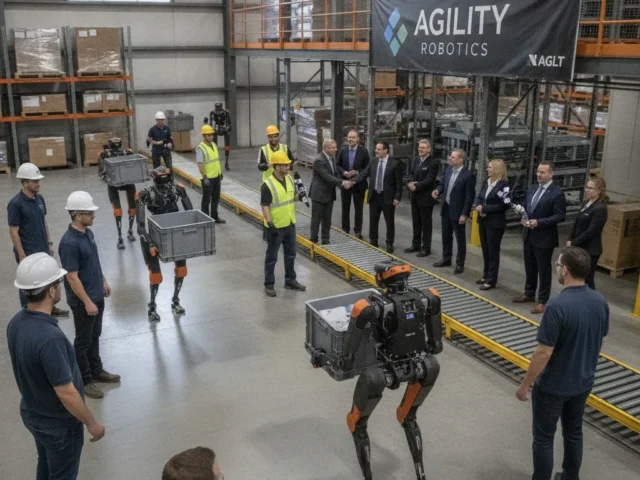
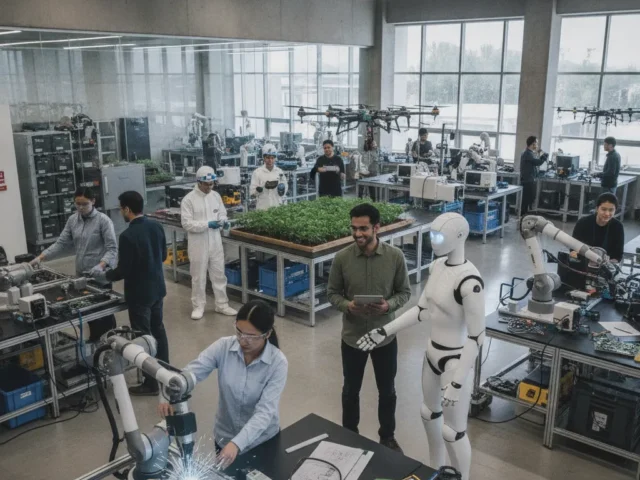
The second annual Startup Radar lists 60 companies under five years old from more than a dozen countries, from humanoids to farm drones. The clear 2026 trend is software: simulation tools and AI models that help robots perceive and learn from mistakes rather than repeat one motion.
The survey’s less glamorous finding is that the promising firms pair engineering with industry partners and a clear market. Cool robots are plentiful. Customers are the scarce part.
Source: New Wave of Automation Disruptors Emerges in Latest Industry Survey
That’s the wrap. Enjoy your evening, and we’ll see you Monday.