Despite rigorous efforts by the United States to stifle China’s access to high end computing power, a sophisticated network of covert procurement is keeping forbidden hardware flowing into the country. A recent analysis by C4ADS reveals that restricted Nvidia AI chips, essential for training the next generation of artificial intelligence, are bypassing export controls through a variety of adaptive loopholes. From academic camouflage to complex international shipping routes, these pathways ensure that Beijing maintains its pursuit of technological parity despite sanctions imposed by the U.S. Department of Commerce since 2022.
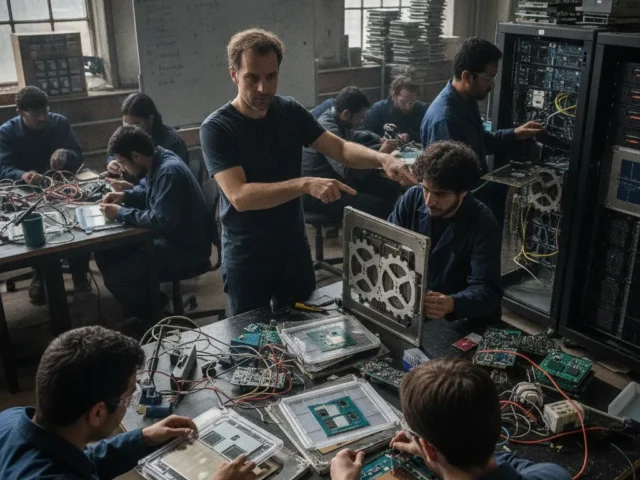
One of the most brazen methods involves bundling prohibited hardware within massive contracts destined for universities and research centers. Investigators found that dozens of restricted chips were funneled through uncredentialed middleman companies to institutions often tied directly to China’s defense industrial base. This strategy allows buyers to hide specific banned components inside broader equipment purchases, effectively masking the arrival of military grade compute power under the guise of academic exploration.
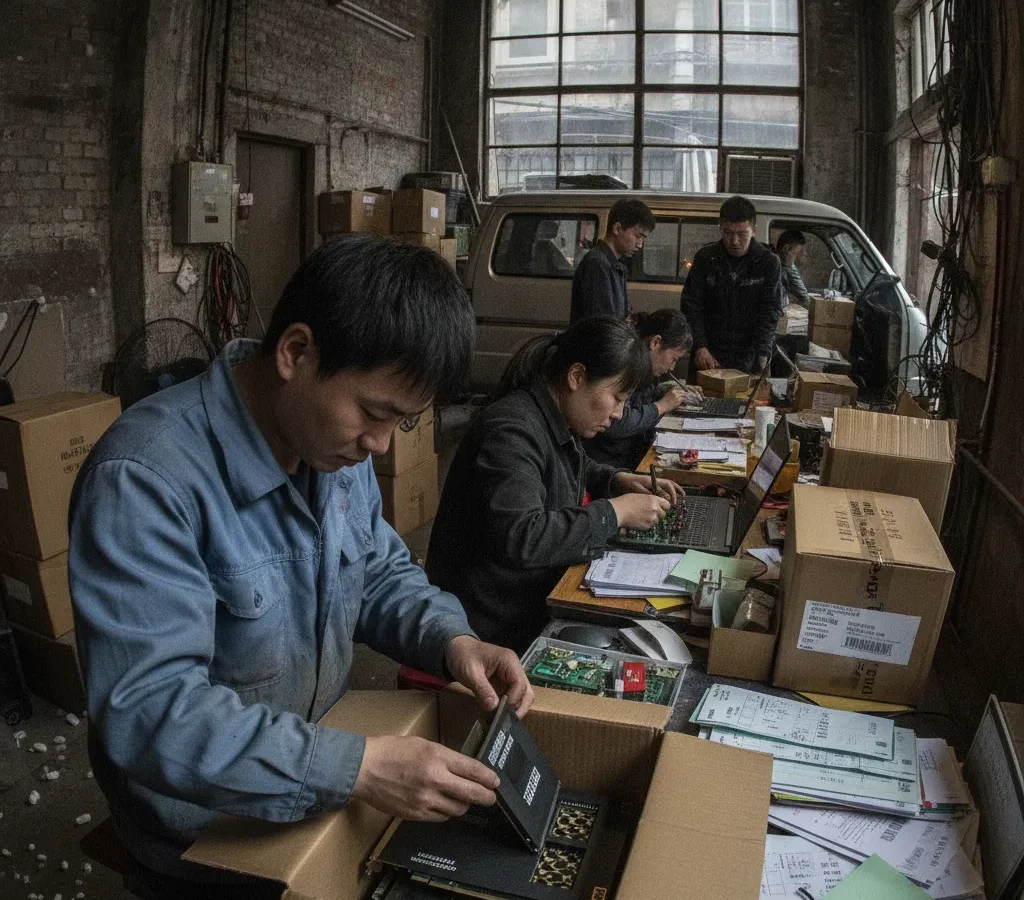
Beyond domestic deception, Southeast Asia has emerged as a critical transit hub for diverted electronics. Trade data shows a steady stream of GPU shipments moving through nations like Vietnam, India, and Malaysia before eventually landing in Hong Kong or mainland China. Central to this operation appear to be opaque corporate structures designed to shield their true owners. One particular importer based in Singapore stands out for importing billions of dollars in hardware while utilizing a tangled web of beneficial ownership that suggests deep links back to the Chinese state.
Experts warn that these documented cases likely represent only a fraction of the actual traffic crossing borders illegally. Because the current evidence relies on open source records and limited windows of government data, the true scale of the shadow market remains unknown. Addressing this leak will require more than just listing banned entities; it will demand aggressive post sale verification and far tighter cooperation between Washington and its regional partners in Asia to close the gaps in global enforcement.