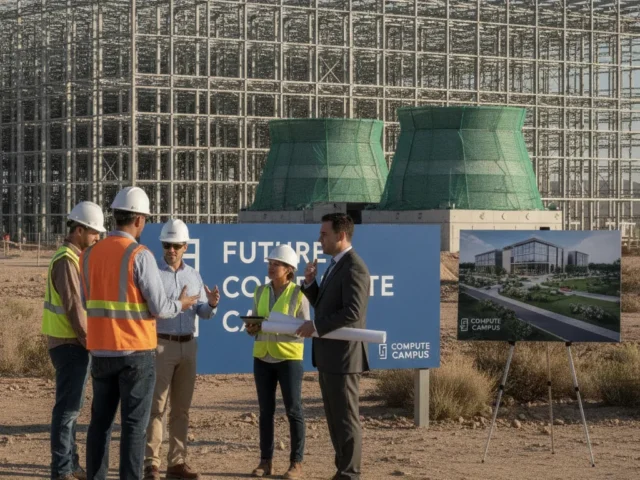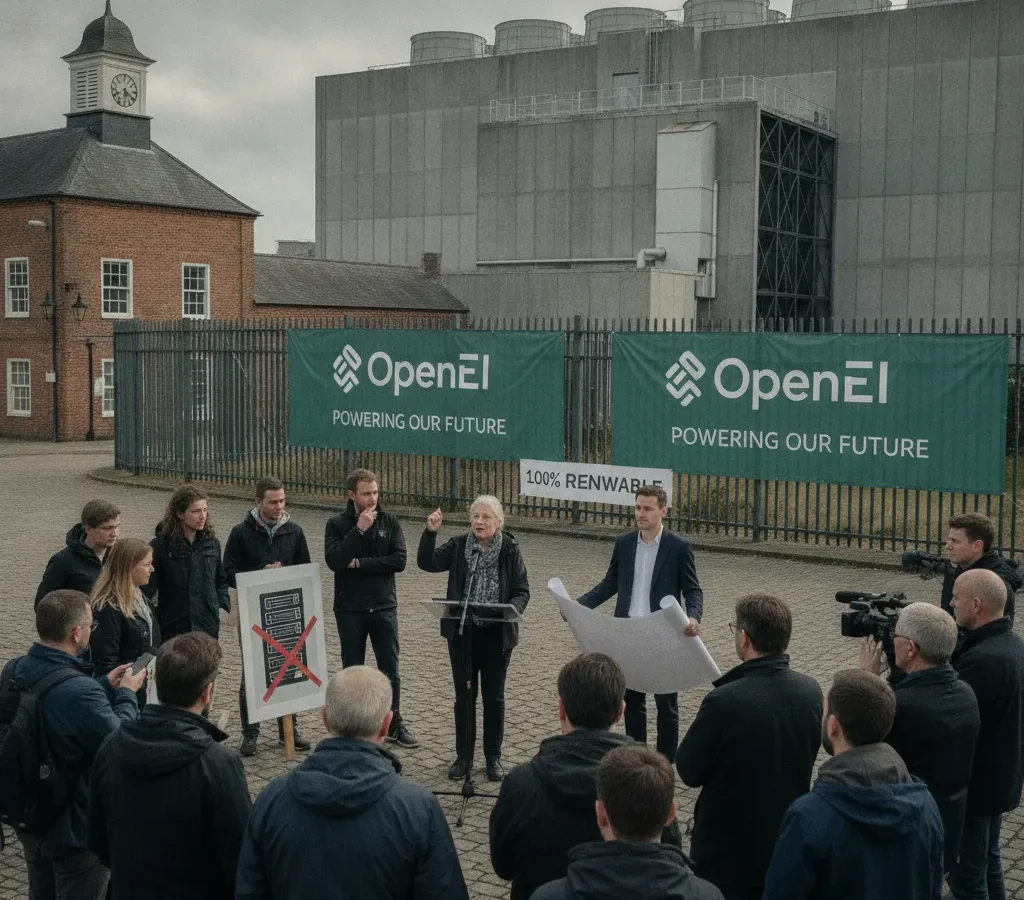
OpenAI is attempting to soothe a growing wave of public hostility toward artificial intelligence infrastructure by pledging to cover the full costs of powering its data centers. The announcement comes just two days after a sweeping electoral defeat for AI development, where voters across ten states overwhelmingly rejected measures aimed at expanding data center footprints. Of forty one local ballot initiatives, nearly every single one failed or faced strict new restrictions, signaling a sharp shift in how the American public views the physical reality of the AI boom.
For many citizens, these sprawling facilities have become symbols of broader economic and environmental anxieties. While tech leaders focus on computational power, everyday consumers are worrying about rising utility bills and the potential for increased electricity rates amidst stubborn inflation. This bipartisan opposition suggests that the invisible nature of cloud computing has ended, replaced by a tangible fear that massive server farms will drain local resources and displace traditional jobs without providing proportional benefits to the surrounding communities.
In response to this backlash, OpenAI is promising a new era of transparency and financial accountability. Beyond paying for power, the company says it will actively seek community input on future sites and abandon the use of secretive non disclosure agreements when dealing with public officials. Chris Lehane, OpenAI’s chief global affairs officer, described these moves as a blueprint intended to set a high standard for the entire industry, encouraging policymakers to codify these promises into law to avoid further friction between tech giants and residents.
Despite these concessions, OpenAI remains committed to an aggressive growth trajectory with goals reaching six hundred billion dollars in compute spending by 2030. With massive projects already slated for Georgia and Ohio, the company is racing against time to convince skeptical legislatures and wary neighborhoods that its presence can be sustainable. By initiating these dialogues now, leadership hopes to enter the next congressional session with a framework that prevents legal gridlock while still allowing their digital ambitions to scale globally.