The United States government is moving to close a significant gap in its trade restrictions after discovering that Chinese artificial intelligence firms are bypassing semiconductor bans by renting processing power from overseas data centers. While Washington has strictly limited the physical shipment of Nvidia’s most powerful chips, such as the GB300, into China to maintain a strategic edge in the AI race, these rules stopped at the border. Because current laws target the ownership of hardware rather than the use of it, Chinese companies have been able to access massive amounts of compute power remotely via facilities in countries like Thailand, Malaysia, and Japan.
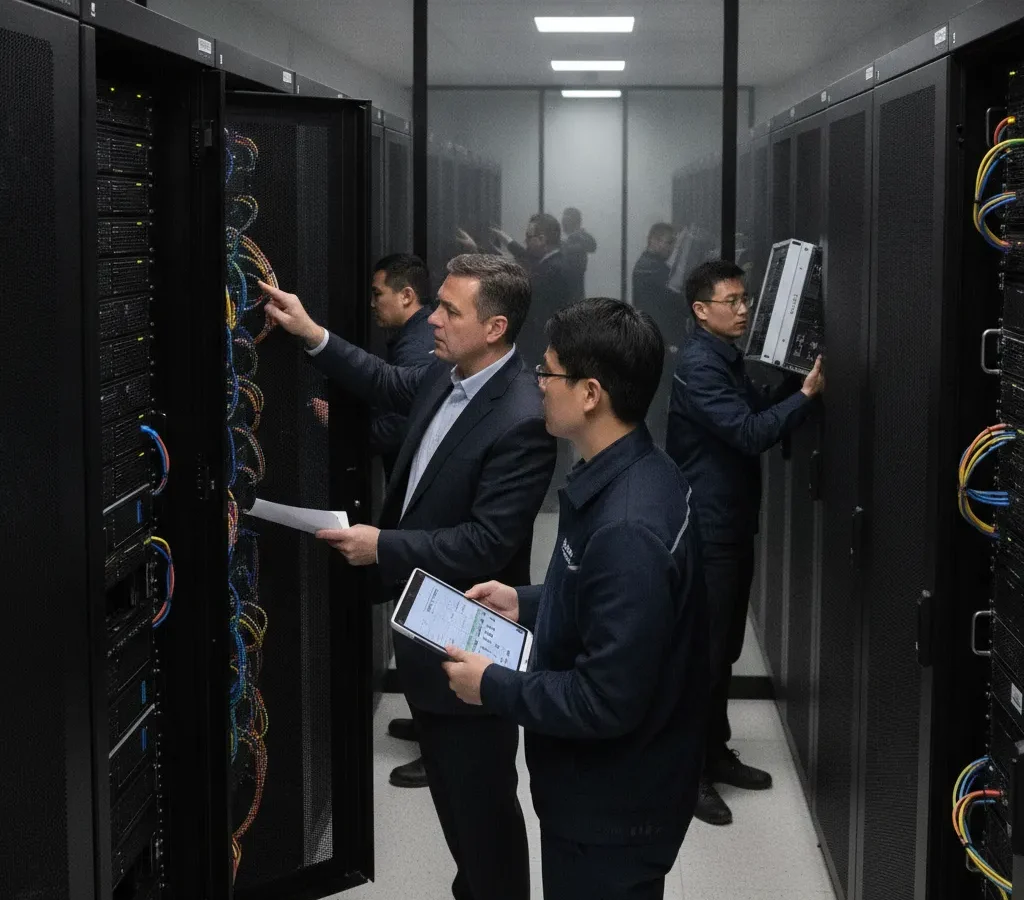
This workaround became particularly evident following the release of high performing models from Chinese firms like Moonshot AI, DeepSeek, and Alibaba. White House officials specifically pointed toward Moonshot AI utilizing a facility in Thailand to train its latest system, highlighting a trend where tech giants like ByteDance and Tencent leverage third party cloud providers in Southeast Asia. These arrangements allow Chinese developers to utilize cutting edge American silicon without ever physically touching the hardware, effectively rendering traditional export controls obsolete against cloud based access.
To combat this, lawmakers are pushing for the Remote Access Security Act, which would expand federal authority to regulate not just who owns a chip, but who can connect to it over the internet. If passed by the Senate, the law would require cloud providers to implement strict know your customer protocols to verify that their clients aren’t sanctioned entities attempting to circumvent national security measures. This move represents a shift in strategy from controlling logistics and shipping crates to policing digital gateways and server logins.
Despite the urgency felt by national security hawks, implementing these rules presents a diplomatic and operational nightmare. Experts warn that forcing every global cloud provider to vet every single user could create immense bureaucratic burdens and trigger pushback from the tech industry. Even if the legislation passes, regulators must still define exactly which levels of computing power qualify as restricted and determine how to enforce those rules across international borders where U.S. jurisdiction ends. For now, as data centers boom across Southeast Asia, the race between Beijing’s ambition and Washington’s regulation continues unabated.