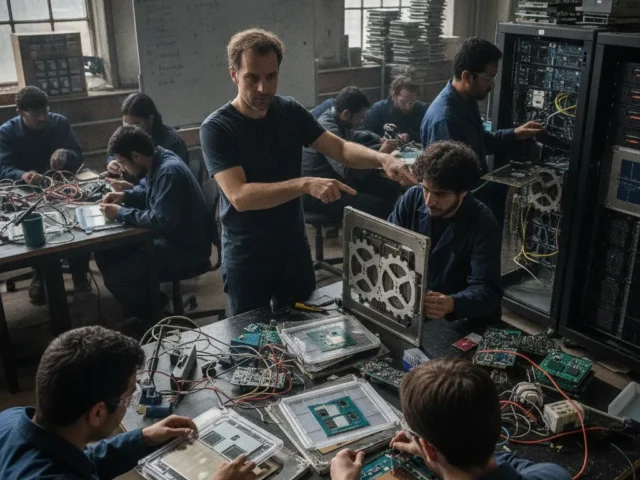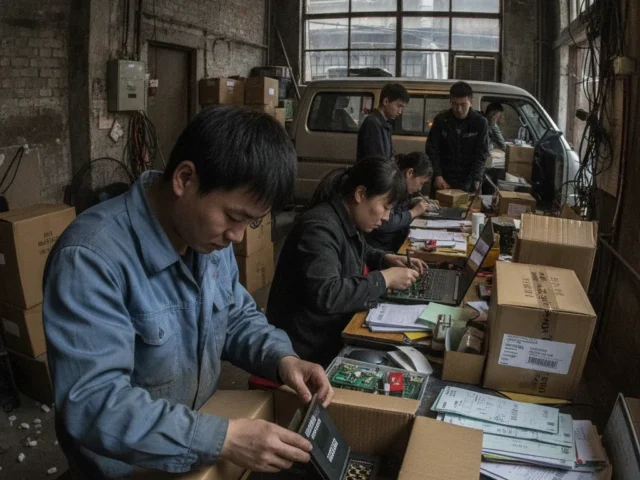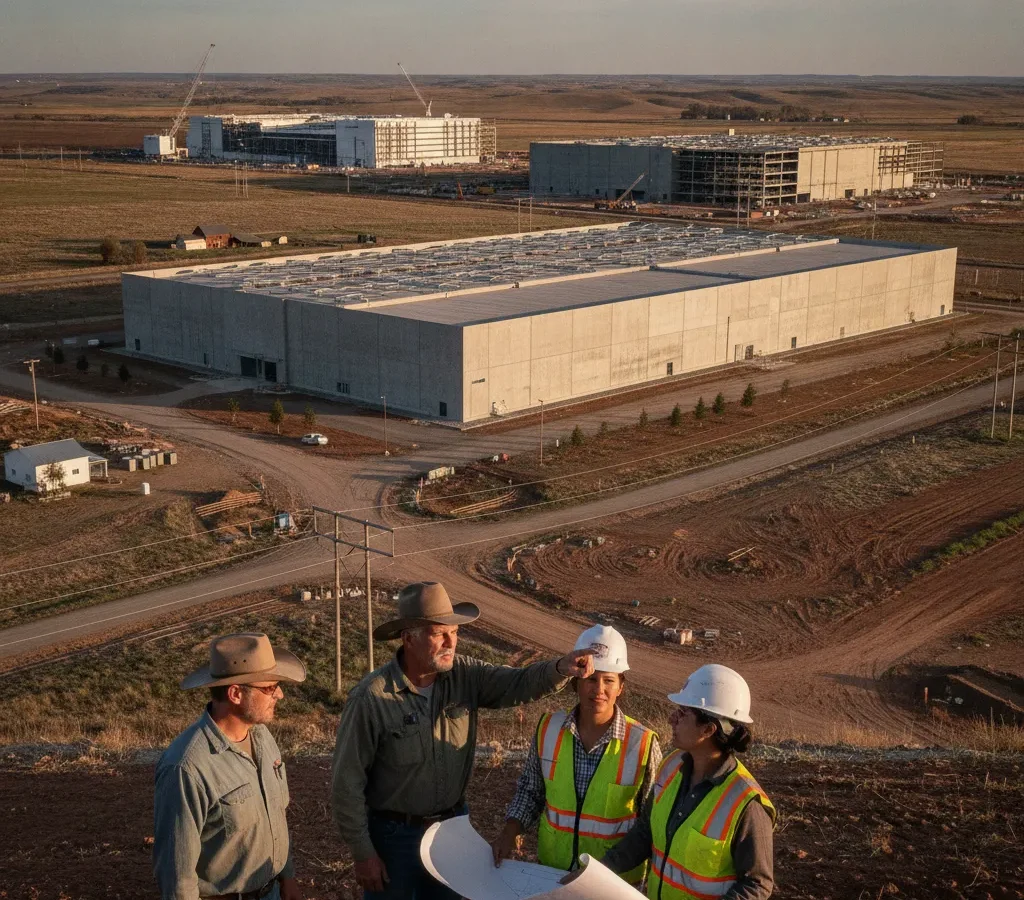
Across the American landscape, a quiet but seismic shift is taking place as the digital dreams of Silicon Valley manifest as concrete and steel in rural counties. From a sprawling Google data center campus in Armstrong County, Texas, to Micron’s massive semiconductor fab in Onondaga County, New York, the physical footprint of artificial intelligence is expanding at a staggering rate. These aren’t just office buildings; they are industrial behemoths designed to power and produce the brains of future autonomous systems. In some cases, the scale is surreal, such as in Texas where the daily influx of thousands of construction workers dwarfs the actual resident population of the county several times over.
This surge represents what many are calling a second Gilded Age, echoing the era when railroads and steel mills fundamentally reshaped the national economy. Current estimates suggest nearly 800 billion dollars is being poured into AI infrastructure this year alone, accounting for about 3.6 percent of the total GDP. To put that figure into perspective, these private investments often dwarf entire federal budgets for highway improvements or disaster relief. While the economic promise is immense, it brings an onslaught of challenges regarding land use, noise pollution, and an insatiable thirst for water and electricity that can strain small communities to their breaking point.
For local officials, the arrival of these tech giants is a double edged sword that requires proactive leadership rather than passive observation. Organizations like NACo are now urging county governments to treat these deals with extreme scrutiny before ribbons are cut. Experience shows that zoning disputes intensify quickly and that water agreements without strict enforcement mechanisms often leave residents stranded. There is a growing consensus that workforce housing and environmental protections must be settled during negotiations, ensuring that rural towns aren’t simply used as convenient plots of land but emerge from the partnership objectively better off.
History suggests that every great technological leap—from steam engines to the internet—follows a predictable pattern of fear followed by adaptation. However, the sheer velocity of the current chip and compute revolution is unprecedented. As server farms and cleanrooms grow to the size of NFL stadiums, there is a pressing need for local leaders to secure a seat at the table alongside state and federal regulators. By studying supply chains and demanding transparent community benefit agreements, counties can ensure they are authors of their own future rather than casualties of another industrial gold rush.