OpenAI is attempting a high stakes rebranding act that mirrors one of the seafood industry’s oldest tricks. Decades ago, marketers realized that the Patagonia toothfish sounded far too aggressive for a dinner menu, so they repackaged it as Chilean sea bass. The move worked perfectly, turning an unappealing name into a luxury staple. Now, the AI giant hopes to perform a similar magic trick by swapping out the dreaded term data center for the much softer sounding compute campus.
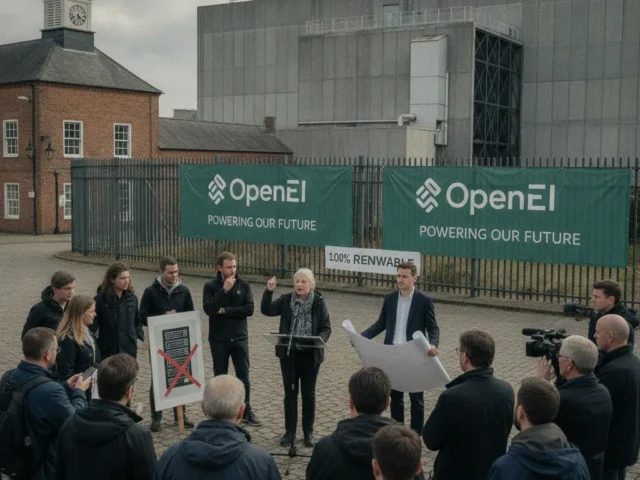
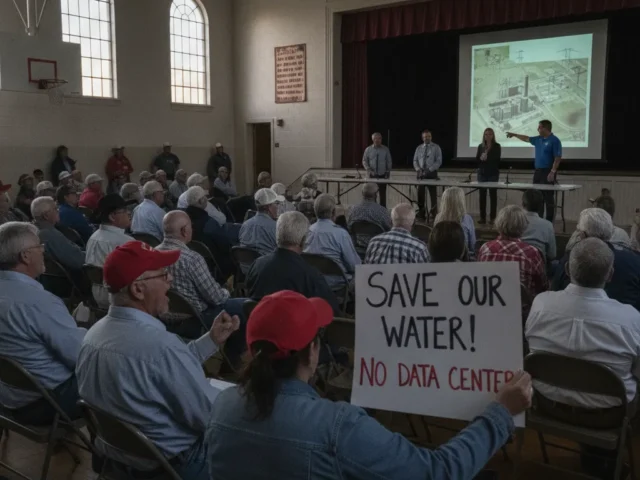
The motivation behind this linguistic shift is simple: nobody actually wants a data center in their neighborhood. While people might be excited about the possibilities of artificial intelligence, the physical reality of these facilities involves massive energy draws and industrial footprints that alienate local residents. Even Sam Altman has admitted that he understands why people view these sites with suspicion, comparing them to nuclear power plants. This sentiment has manifested in a wave of political resistance, with dozens of ballot measures recently blocking such developments across the country.
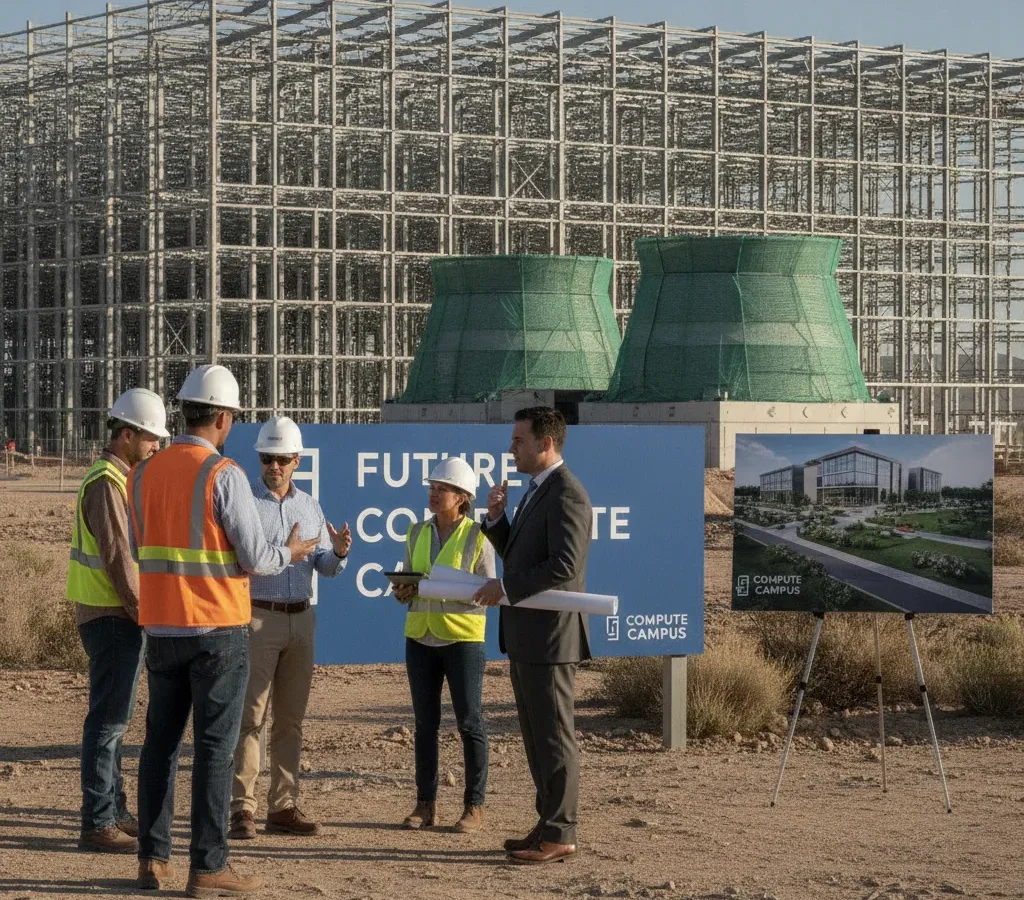
By calling these sites compute campuses, OpenAI is leaning into imagery of academic vibrancy and architectural beauty. A campus suggests greenery, walking paths, and human activity, whereas a data center evokes images of humming server racks and windowless concrete boxes. However, this effort ignores the practical reality that once these hubs are operational, they require very few employees on site compared to traditional office parks or universities.
Whether this semantic pivot will actually land remains doubtful. History shows that renaming generic concepts is far harder than rebranding a specific product. Much like how some industries tried to replace dumps with landfills or gambling with gaming, the public tends to see through thin veneers of corporate speak. When combined with other failed attempts to sanitize AI terminology in government circles, it seems unlikely that a fancy new name will suddenly make neighbors welcome massive computing hubs in their backyards.